
Barmesa Pumps
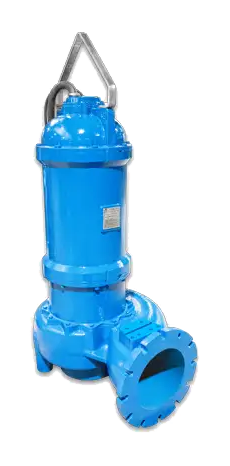
At Industrial Air Services, we proudly supply Barmesa Pumps, a trusted manufacturer of high-quality pumps designed for reliability and performance. With decades of engineering expertise, Barmesa is known for producing pumps that meet the demanding needs of municipal, industrial, agricultural, and commercial applications.
Product Highlights
Submersible Sewage & Wastewater Pumps – Heavy-duty designs for municipal and industrial wastewater handling.
Centrifugal Pumps – Efficient, versatile solutions for water transfer, irrigation, and general service.
Grinder Pumps – Powerful cutting action to handle solids in residential, commercial, and municipal wastewater.
Chopper Pumps – Engineered to break down fibrous materials and protect downstream equipment.
End-Suction Pumps – Reliable, easy-to-maintain designs for a wide variety of fluid-handling applications.
Why Choose Barmesa?
Proven performance in tough wastewater and industrial applications
Rugged, dependable construction for long service life
Comprehensive product line covering clean water to solids-handling pumps
Industrial Air Services
📞 (615) 641-3100
📍 138 Bain Drive • LaVergne, TN 37086
Contact Us
Barmesa Pumps FAQ
What are Barmesa pumps used for?
Barmesa pumps serve water-transfer, sewage, drainage, irrigation, and industrial applications. Different models handle clean water or liquids containing solids.
What pump types does Barmesa offer?
The range includes centrifugal, end-suction, self-priming, submersible sewage, grinder, and chopper pumps. Selection depends on the application.
Which industries use Barmesa equipment?
Barmesa serves municipal, agricultural, industrial, and commercial users, including facilities managing water supply, wastewater, and drainage.
Can Barmesa pumps handle sewage?
Yes. Barmesa offers sewage and solids-handling models. The selected pump must match the waste stream and required pumping duty.
Does Barmesa offer clean-water pumps?
Yes. Suitable centrifugal and end-suction models support water transfer, irrigation, and general service.
What is the difference between a sewage pump and a grinder pump?
A sewage pump passes solids within its rated limits. A grinder pump cuts suitable waste into smaller particles before discharge. The collection system determines which approach is appropriate.
How does a chopper pump work?
A chopper pump uses cutting components to reduce certain solids as liquid moves through the pump. Cutting capability depends on the design and the material entering it.
Can a solids-handling pump pass any kind of debris?
No. Particle size, hardness, shape, and concentration matter. A pump rated for certain solids may still clog or suffer damage from rags, metal, rocks, or oversized debris.
What information is needed to select a Barmesa pump?
Provide the required flow, discharge elevation, piping layout, liquid temperature, solids information, and available power. For basin installations, include dimensions and normal operating liquid levels.
Why does total dynamic head matter?
Total dynamic head represents the load the pump must overcome, including elevation, required pressure, and friction losses. Flow capacity must be evaluated at that head.
Can I select a replacement using horsepower alone?
No. Pumps with equal horsepower can produce different flow and pressure. Compare performance curves, solids capacity, electrical requirements, connections, and installation dimensions.
What can cause a wastewater pump to cycle too frequently?
Possible causes include unsuitable level settings, insufficient usable basin volume, excessive pump capacity, or backflow through a leaking check valve. Review the controls and system together.
What maintenance should a Barmesa pump receive?
Follow the specific model's manual. Inspection points may include the impeller, seals, motor cable, level controls, discharge connections, and signs of leakage or abnormal operation.
What changes suggest a pump needs service?
Investigate declining output, repeated overload trips, unusual noise, increasing vibration, or failure to respond to level controls. These symptoms can involve the pump, piping, or electrical system.
Should an older pump be repaired or replaced?
Compare the condition of major components, parts availability, repair cost, and current system needs. Replacement may be more appropriate if the original pump no longer suits the duty.
Where can I request a Barmesa pump quote?
Contact Industrial Air Services at (615) 641-3100. Include application details and any existing pump model or nameplate information.