
Viking Hygienic Pumps
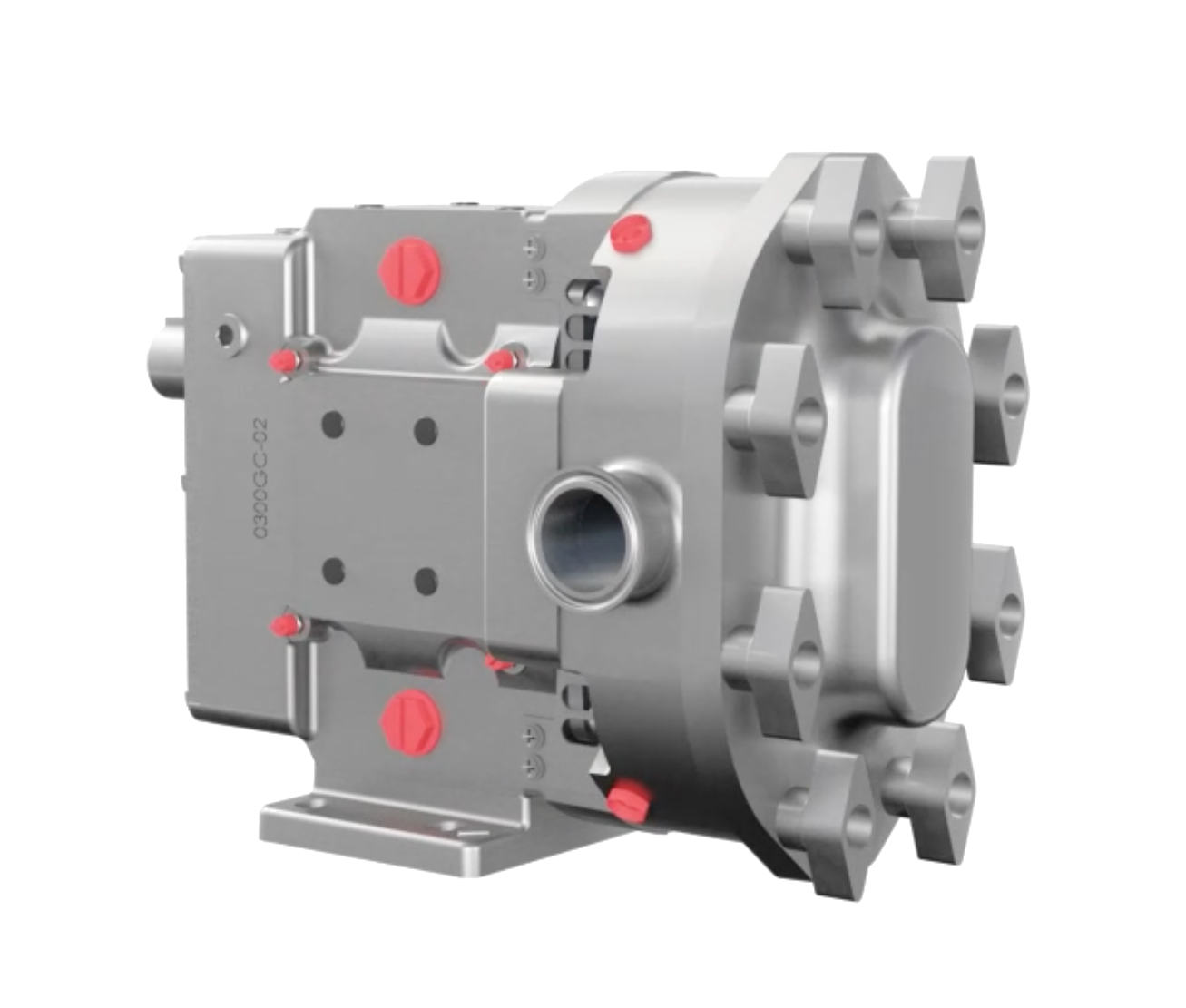
At Industrial Air Services, we proudly supply Viking Hygienic Pumps, part of Viking Pump’s extensive line of positive displacement solutions. Engineered for the strict sanitary requirements of the food, beverage, dairy, pharmaceutical, and personal care industries, Viking Hygienic Pumps deliver gentle product handling, clean-in-place (CIP) capability, and consistent reliability.
Product Highlights
Rotary Lobe Pumps – Designed for sanitary transfer of viscous or shear-sensitive products.
Circumferential Piston Pumps – Ideal for handling thick, high-viscosity fluids with precision.
External Gear Pumps – Sanitary designs available for accurate metering and dosing.
Complete Hygienic Systems – Skid-mounted packages tailored for food, beverage, and pharma applications.
CIP & SIP Ready – Designed to meet the highest hygienic standards for easy cleaning and sterilization.
Why Choose Viking Hygienic?
Trusted brand with over 100 years of pump innovation
USDA, 3-A, and EHEDG compliant designs for hygienic applications
Gentle, reliable handling of delicate or high-value products
Industrial Air Services
📞 (615) 641-3100
📍 138 Bain Drive • LaVergne, TN 37086
Contact Us
Viking Hygienic Pumps FAQ
What are Viking Hygienic pumps used for?
Viking Hygienic pumps serve sanitary product transfer in food, beverage, dairy, personal care, and other process applications requiring cleanable equipment and appropriate product handling.
What hygienic pump technologies does Viking offer?
Viking's hygienic range includes rotary lobe and circumferential piston designs. Select the technology for product properties, pressure, cleaning requirements, and the desired operating range.
How does a rotary lobe pump work?
Timed rotors turn without contacting each other, carrying product around the casing toward the outlet. External timing gears coordinate rotor movement while the drive supplies power.
How does a circumferential piston pump differ?
Circumferential piston designs use rotor geometry and sealing paths that differ from conventional lobes. The resulting performance should be compared using model-specific data for the actual product.
Can Viking Hygienic pumps handle thick products?
Suitable models can transfer viscous materials such as sauces, syrups, and creams. Inlet conditions, operating speed, temperature, and product behavior determine achievable flow.
Can these pumps handle products containing pieces?
Particle handling depends on rotor geometry, passage dimensions, speed, and product fragility. Provide particle size and the acceptable level of damage when requesting a selection.
Are these pumps suitable for shear-sensitive products?
Appropriate hygienic positive displacement designs can support gentle transfer. Product quality also depends on speed, pressure drop, piping, and the amount of recirculation in the system.
What makes a pump hygienic?
Hygienic design addresses fluid-contact materials, surface condition, cleanability, drainage, seals, and access. Suitability requires evaluating the exact model against the process's sanitation requirements.
Can Viking Hygienic pumps be cleaned in place?
Selected configurations support clean-in-place procedures. Validate flow, cleaning chemistry, temperature, drainage, and coverage for the actual installed system and the product being processed.
Does every hygienic pump have the same certification?
No. Certifications apply to specified products and configurations. Request documentation for the exact pump, seals, materials, and intended service when a project requires a particular standard.
How do I size a Viking Hygienic pump?
Provide flow, differential pressure, viscosity, temperature, particle details, and cleaning requirements. Include inlet piping and supply-vessel conditions because insufficient feeding can limit performance.
How can variable speed help product transfer?
Adjustable speed can match delivery to process demand. Confirm motor and drive compatibility and minimum operating limits, particularly when the same system handles products of different viscosities.
Why does seal selection matter?
Seals must suit product chemistry, temperature, pressure, and cleaning cycles. Seal arrangements may also require compatible support fluids or monitoring to meet the process's operating needs.
What maintenance should be planned?
Inspect rotors, seals, clearances, bearings, and gearbox components according to the manual. Verify correct reassembly and sanitation after maintenance on product-contact parts.
Can a hygienic pump replace an existing process pump?
A replacement may be practical after comparing performance, connections, footprint, cleaning method, and controls. Product trials can help assess sensitive materials before committing to a new design.
Where can I request Viking Hygienic pump assistance in Tennessee?
Call Industrial Air Services at (615) 641-3100 with product properties, duty requirements, particle information, and sanitation needs to discuss a suitable hygienic pumping solution.