

Plant Piping & Air Accessories in Nashville, TN

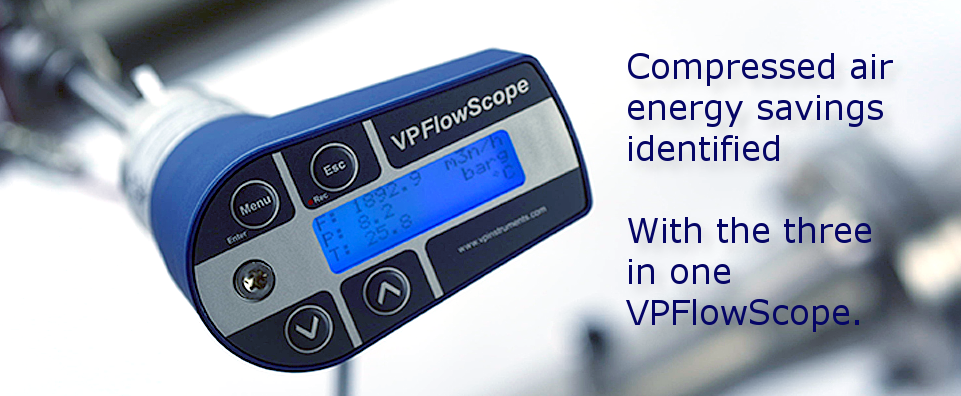
Reduction of your compressed air and gas consumption starts with identifying savings potential.
A compressed air system is only as effective as its design, installation, and distribution network. Industrial Air Services provides plant piping, compressed air accessories, monitoring solutions, and equipment installation support for industrial facilities in Nashville and throughout Tennessee.
Our team helps facilities evaluate airflow, operating pressure, air quality, equipment requirements, and future expansion before recommending a project scope. Whether you are installing a new compressed air system, connecting equipment to an existing network, or investigating energy losses, we can help you plan a practical solution for your plant.
Compressed Air Piping Design and Installation
Improperly designed piping can create pressure drop, restrict airflow, increase compressor demand, and prevent downstream equipment from receiving the air pressure it requires. A properly planned distribution system considers the complete route—not only the compressor connection or pipe diameter.
Important planning factors include:
Required airflow and operating pressure
Peak and average demand
Pipe length and equivalent length through fittings
Pressure drop across piping, valves, filters, and regulators
Equipment connection points
Isolation requirements for maintenance
Available installation space
Future production and equipment expansion
Industrial Air Services can help review your plant layout, compressor information, planned connection points, and installation requirements. We also help clarify proposal scope, site preparation responsibilities, startup, commissioning, and coordination with your production schedule.
One Partner for Equipment, Piping, and Support
Plant piping should be evaluated as part of the complete compressed air system. Industrial Air Services can discuss:
Plant layout and distribution requirements
Compressor capacity and operating conditions
Required pressure and airflow
Air quality and treatment needs
Monitoring and measurement requirements
Equipment additions and future expansion
Shutdown windows and production continuity
Installation, startup, and commissioning expectations
Professional planning can provide single-source responsibility, custom system design, project coordination, quality piping materials, energy-conscious optimization, and long-term service support.
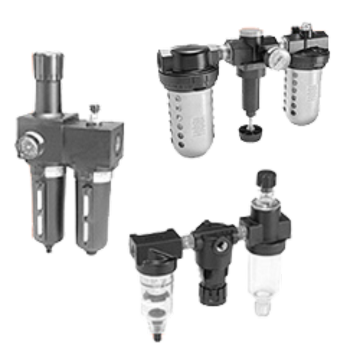
Wilkerson manufactures and markets a complete line of compressed air treatment components and control products. Our quality products meet a wide variety of industrial, process, consumer and health care applications.

Infinity Piping offers a solid metal piping system that combines superior strength and performance within a lightweight, easy-to-install design. The world’s first all-metal, quick-connect piping system at an affordable price.
Plan Your Nashville Plant Piping Project
Before requesting a proposal, gather your plant layout, compressor details, required airflow and pressure, planned equipment additions, and any applicable air-quality requirements. Also identify whether installation must occur during a shutdown window or while production continues.
Contact Industrial Air Services at (615) 641-3100 to discuss plant piping, compressed air accessories, monitoring equipment, or installation support in Nashville and surrounding Tennessee markets, including Knoxville, Chattanooga, Memphis, Jackson, and La Vergne.
Plant Piping and Air Accessories FAQ
Why is compressed air piping design important?
The piping network must deliver enough air at the required pressure to each application. Undersized lines, restrictions, leaks, and poor layout can limit performance even when compressor capacity appears adequate.
What should be reviewed before installing new air piping?
Start with airflow demand, operating pressure, air quality, plant layout, and future expansion. Include peak loads, pipe lengths, connection points, isolation needs, and the space available for installation and maintenance.
How is compressed air pipe size selected?
Sizing depends on flow, pressure, equivalent pipe length, and allowable pressure drop. Fittings and valves add resistance, so selection should consider the complete route rather than compressor horsepower or connection size alone.
What is pressure drop in an air distribution system?
Pressure drop is the loss between two points as air moves through piping and components. Excessive losses can leave equipment short of pressure and encourage higher compressor settings that increase operating costs.
What is a looped compressed air piping layout?
A loop connects distribution piping in a circuit, potentially allowing air to reach users from more than one direction. Its value depends on demand locations, pipe sizing, isolation arrangements, and the overall plant layout.
Can piping be designed for future expansion?
Yes. Capacity planning can allow for additional users, equipment, and connection points. Estimate likely growth and reserve suitable access so expansion can be evaluated without unnecessarily oversizing every part of the current system.
What materials should be used for compressed air piping?
Use a piping system specifically suitable for compressed air at the required pressure and temperature. Evaluate material compatibility, connections, environmental exposure, and manufacturer instructions for the complete system rather than individual pipe sections alone.
Can new piping connect to an existing air system?
A connection may be practical after checking materials, ratings, pipe condition, flow capacity, and isolation arrangements. Review the old and new sections together to avoid introducing restrictions or exceeding existing component limits.
Why are isolation valves useful in plant air piping?
Isolation valves allow defined sections to be separated for maintenance or changes. Their locations and operating procedures should support safe access while considering how isolation affects the rest of the plant's air supply.
How should moisture be managed in an air system?
Moisture control involves appropriate drying, separation, drainage, and piping arrangements. Evaluate the required air quality and operating temperatures so condensate is managed before it causes problems at downstream equipment.
What do filters and pressure regulators do?
Filters remove specified contaminants, while regulators control downstream pressure within their operating limits. They must be sized for the required flow and selected for the air quality and pressure needs of each application.
When is a point-of-use lubricator appropriate?
A lubricator may suit equipment that specifically requires oil in its air supply. Many processes require clean, unlubricated air, so follow equipment instructions and keep incompatible air-quality requirements separated.
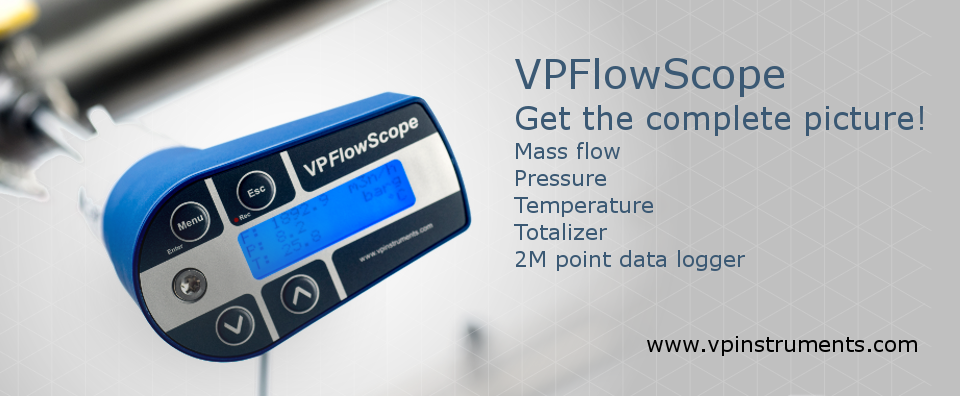
Can flow meters help identify air-system problems?
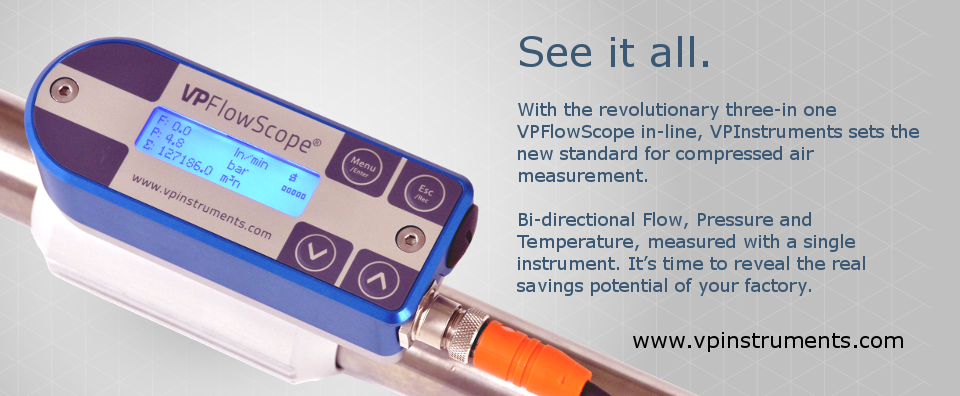
Flow measurements can show changing demand, off-shift consumption, and equipment usage. Combined with pressure and operating data, they help distinguish production demand from losses or other causes of unnecessary air consumption.
What monitoring accessories does Industrial Air Services list?
The page lists flow, pressure, and temperature measurement, data logging, compressed air monitoring, and related audit tools. Selection should reflect the measurement range, installation conditions, and information your facility needs to collect.
What should be checked when a piping installation is completed?
Verify the agreed installation and commissioning checks, including connections, leakage, isolation, instrumentation, and pressure at representative users. Record the layout and operating baseline to support future troubleshooting and system changes.
How do I request plant piping or air accessories in Tennessee?
Contact Industrial Air Services at (615) 641-3100 with your plant layout, compressor details, airflow and pressure requirements, and planned changes. Include any air-quality or monitoring needs so the proposed scope addresses the complete application.