
LAKOS Industrial Separators
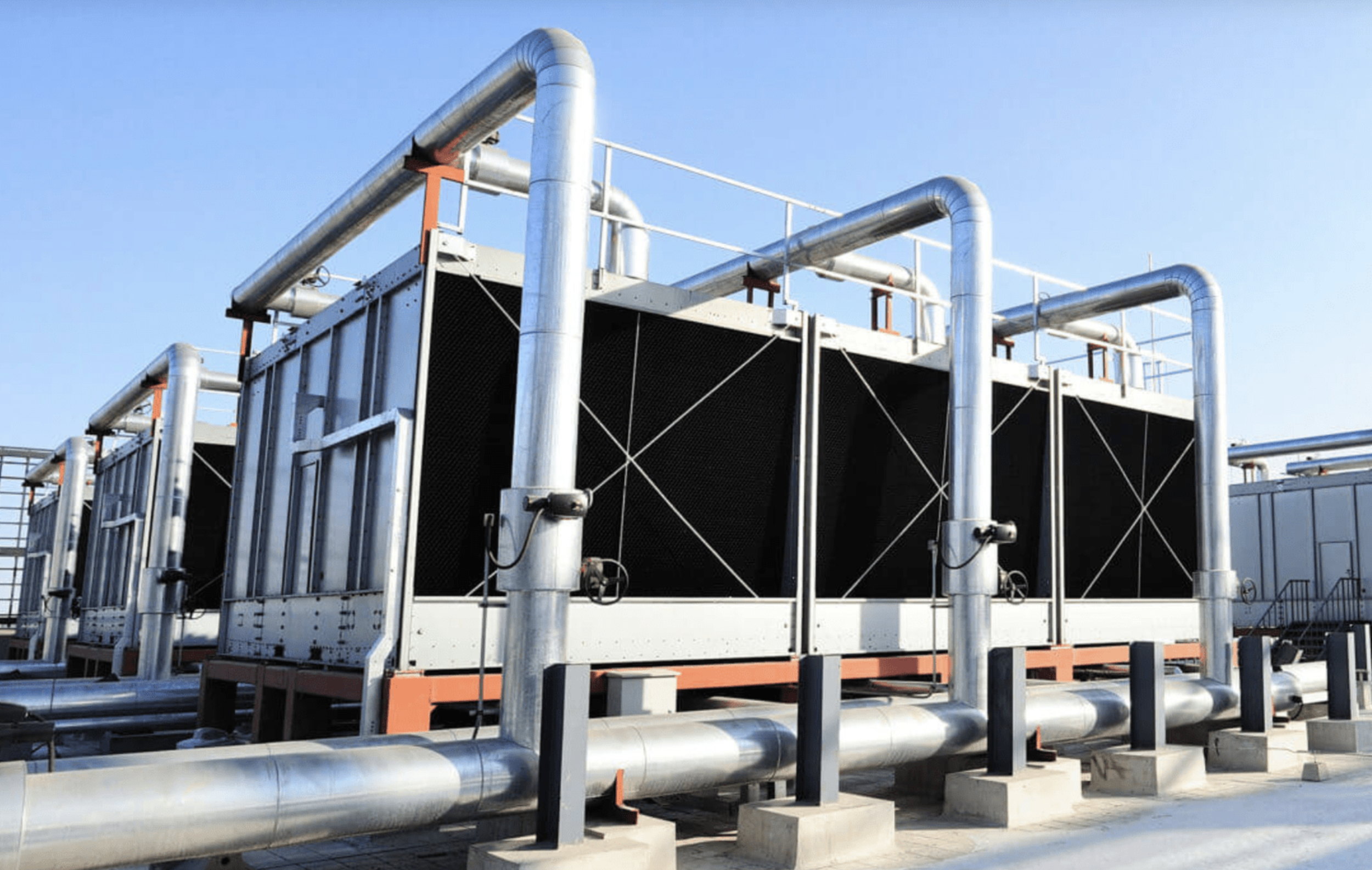
At Industrial Air Services, we proudly supply LAKOS, a global leader in engineered filtration and solids separation systems. Since 1972, LAKOS has specialized in centrifugal separation and filtration technologies that protect pumps, piping, and process equipment from abrasive solids. Their solutions are trusted in industries such as HVAC, industrial process, irrigation, municipal water, food & beverage, and power generation.
Product Highlights
Centrifugal Separators – Efficient removal of sand, grit, and solids from water and process fluids.
Pump Protection Separators – Extend the life of pumps by preventing abrasive wear and clogging.
HVAC Filtration Systems – Side-stream and full-flow solutions to improve cooling tower and chiller efficiency.
Irrigation Filtration – Protect agricultural irrigation systems from clogging and wear.
Custom Engineered Systems – Turnkey filtration packages designed to meet specific application requirements.
Why Choose LAKOS?
Over 50 years of expertise in solids separation and filtration
Proven to reduce maintenance costs and extend equipment life
Widely trusted across industrial, municipal, and agricultural applications
Industrial Air Services
📞 (615) 641-3100
📍 138 Bain Drive • LaVergne, TN 37086
Contact Us
LAKOS Industrial Separators FAQ
What are LAKOS separators used for?
LAKOS separation and filtration equipment removes suitable solids from water and process fluids. Applications include pump protection, cooling-water systems, irrigation, and industrial circulation.
How does a centrifugal separator work?
Flow creates a rotating motion that moves sufficiently dense particles toward a collection area. Separated solids are discharged through a purge arrangement while treated liquid continues downstream.
What particles can a separator remove?
Performance depends on particle size, density difference, shape, and liquid properties. Sand and grit may separate effectively, while light, fine, or near-buoyant material may require another technology.
Does a centrifugal separator remove dissolved substances?
No. Dissolved salts and chemicals do not behave like settleable particles. Treatment for dissolved contaminants requires a process selected for the specific water-quality objective.
How is a separator different from a screen filter?
A separator relies on particle behavior in moving liquid. A screen physically intercepts material based on its openings, with different pressure-drop, cleaning, and particle-removal characteristics.
Can LAKOS equipment protect pumps?
Appropriate solids separation can reduce abrasive material reaching vulnerable equipment. Placement and sizing must suit the piping arrangement, available pressure, and solids being removed.
Can separators be used in cooling-water systems?
Yes. LAKOS offers filtration solutions for HVAC and industrial water systems. Selection should reflect circulating flow, solids loading, water quality, and the intended level of equipment protection.
What is side-stream filtration?
Side-stream filtration continuously treats a portion of circulating water. Its effectiveness depends on the treatment rate, contaminant entry, system volume, and where the filtered stream is drawn and returned.
What is full-flow filtration?
A full-flow arrangement treats the entire designated stream before it continues through the system. It must be sized for that flow and its associated pressure-loss limits.
Why does separator flow range matter?
The internal flow pattern depends on operating velocity. Flow outside the recommended range can reduce separation performance or increase pressure loss, even when pipe connections fit.
What is a solids purge?
Purging removes collected material from the separator's collection area. The method and frequency should match solids loading so accumulated debris does not compromise operation.
Can purging be automated?
Compatible automatic purge arrangements may reduce manual attention. Confirm control method, discharge routing, purge-water requirements, and how reliable removal will be verified for the application.
How do I select a LAKOS system?
Provide flow range, liquid properties, solids size and density, loading, pressure availability, and treatment objectives. Include the proposed installation location and how collected solids will be managed.
What maintenance does a separator require?
Inspect the purge arrangement, collection area, controls, and connections as applicable. Monitor flow and pressure drop, and follow the selected equipment's instructions for scheduled inspection.
Can separation reduce heat-exchanger fouling?
Removing suitable suspended solids can reduce one source of fouling. Scaling, biological growth, and other deposits may still require water treatment and cleaning measures.
Where can I request LAKOS assistance in Tennessee?
Contact Industrial Air Services at (615) 641-3100 with system flow, solids information, water conditions, and protection goals to discuss a suitable separation or filtration arrangement.